A garage door opener has a tendency to make focus just when it quits working at the worst possible moment, during a tornado, when you are already late, or after a lengthy day when all you desire is the door to open up and shut without argument. That is the pattern with mechanical systems that work overhead and out of sight. They fade into the history till a grinding sound, a delayed reaction, or a door that reverses halfway down compels the issue.
In the field, one of the most expensive solution calls are commonly connected to tiny warning signs that were very easy to miss or easy to hold off. A house owner listens to a brand-new squeak and assumes it can wait. A building supervisor notifications a door shutting a little more challenging than common and decides to take care of it next month. Then a stretched opener burns via an equipment set, a trolley wears, or the system heads out of positioning and develops a real security problem. Good maintenance is not glamorous, yet it is cheaper than premature replacement and far less disruptive than an emergency appointment.
A reliable garage door opener is not simply the electric motor device on the ceiling. It is part of a system that consists of the door itself, the track, the rollers, the hinges, the springtime setting up, the safety sensing units, the controls, and the climate condition around them. If the door ends up being heavy due to worn springs, the opener pays the cost. If the track is filthy or the rollers are harmed, the opener compensates until it can not. That is why audio maintenance blends routine house owner checks with the judgment to call for garage door repair when a trouble moves beyond standard care.
What everyday usage actually does to an opener
A typical household opener may cycle two to 6 times a day, occasionally extra in an active house with numerous chauffeurs, institution pick-ups, deliveries, and weekend break projects. That sounds moderate up until you extend it across years. Even at 4 cycles daily, an opener sees well over 1,400 cycles a year. In cooler climates, include temperature level swings, tightening in steel components, enlarged lubricating substances, and periodic moisture. In hotter regions, dirt and expanding materials create their own wear pattern.
Commercial doors can be far more demanding. A store, storage facility, or service bay may place dozens of cycles on a system on a daily basis. In that setup, industrial garage door repair is frequently much less concerning abrupt failure and more concerning staying in advance of tiredness. Bearings, springs, drivers, and control systems use at a much faster rate. Upkeep timetables require to reflect that reality instead of the lighter pattern of home use.
The point is simple. An opener does not fail alone. It ages according to workload, atmosphere, and the problem of the door it lifts.
The first indicators that upkeep is overdue
Most garage door openers do not go from healthy to dead overnight. They generally send out signals initially. Those signals are easy to catch if you take note during common use. A healthy system has a relatively consistent noise and rate. As soon as you recognize that baseline, changes stand out.
Here are 5 warning signs worth taking seriously:
The opener seems louder than normal, specifically with grinding, popping, or stressing noises. The door waits, jerks, or relocates unevenly during travel. The door reverses unexpectedly or declines to shut unless you hold the wall surface button. The remote range gets shorter, or reaction becomes inconsistent. The opener rail, chain, or belt vibrates excessively throughout operation.None of those symptoms instantly implies significant failure. A loose chain, filthy security sensing units, depleted remote batteries, or dried out lubricant can all produce difficulty that is simple to take care of. But those exact same symptoms can also point to spring discrepancy, track problems, a falling short reasoning board, or used drive parts. The worth of observing very early is that you still have options.
Start with the door, not the motor
One of the biggest errors house owners make is dealing with the opener like the only maker in the system. In practice, the opener is much more like the muscle designated to relocate a door that must currently be well balanced and fairly very easy to lift. If the door itself is fighting the motion, the opener functions harder every cycle.
A quick manual equilibrium test informs you a lot. Pull the emergency launch cord with the door shut, then raise the door by hand. It must move smoothly and stay about in place when opened halfway. If it knocks shut, shoots up, or feels much heavier than anticipated, stop there. That normally shows a spring trouble or door inequality, and those are not problems to shrug off.
This is where experience matters. Home owners can manage monitoring and basic care, yet garage door spring replacement is not laid-back weekend work. Torsion and extension springs store substantial energy. When launched incorrectly, they can cause serious injury. If the door is out of balance, the clever relocation is to call a certified technician for domestic garage door repair rather than ask the opener to maintain compensating.
Lubrication, done thoroughly, expands solution life
Lubrication is among the easiest upkeep tasks, but it is frequently done inadequately. Either everything obtains splashed with the wrong item, or absolutely nothing gets lubed for years. Both techniques produce preventable wear.
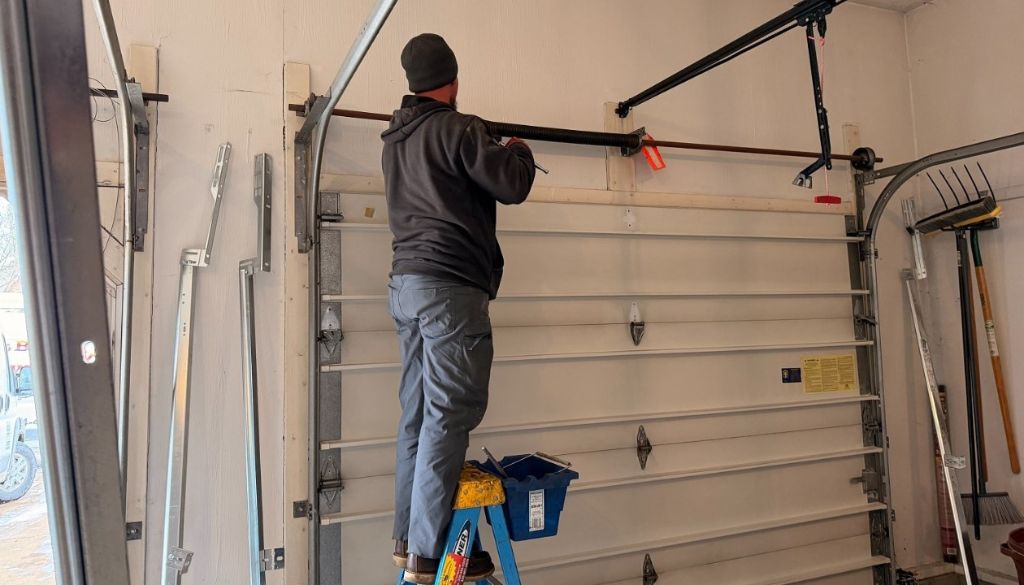
For most home systems, a garage-door-specific lubricant or a light silicone-based product functions well on moving steel components. Joints, roller bearings, springtime coils, and the opener chain, if your device uses one, may all benefit. The rail itself is a bit different. On many opener models, the rail needs to not be heavily greased because excess item draws in dust and grit. Belt-drive systems typically call for even much less focus in that location. The supplier directions issue here since various drive layouts have different needs.
What ought to not be used as a magic bullet is a hefty penetrating spray suggested mainly for loosening rusted screws. It might make the door quieter for a short time, but it has a tendency not to supply the long-term lubrication these parts need. I have seen doors that seemed fine for a week after a charitable spray, then returned louder because dirt had turned the deposit into rough paste.
A sensible lubrication routine, typically every few months depending on use and climate, can lower sound and wear. The key is moderation. A slim, targeted application defeats a shiny finish on every noticeable part.
Safety sensors deserve even more regard than they get
Photo-eye sensors near the bottom of the door track are amongst one of the most neglected elements in the whole system. They are likewise among the most vital. Their job is to stop and turn around the door if something goes across the beam throughout closing. If the sensors are dirty, bumped out of alignment, or exposed to route glare at the incorrect angle, the opener may decline to shut properly.
Many property owners first see a sensor problem when the door starts down, then reverses, or when the opener lights blink and the remote instantly appears ineffective. Frequently the wall button will certainly still shut the door if held continually, which is the system informing you it is bypassing a safety and security interruption. That is an idea, not a workaround to count on.
Cleaning the sensing unit lenses with a soft towel and inspecting that both units face each other evenly can fix a shocking variety of solution phone calls. Crawler internet, lawn debris, and light impacts from garbage can or bicycles are common culprits. If the sign lights on the sensors remain off or unstable after cleaning up and fundamental positioning, a professional needs to evaluate the circuitry or change the sensing unit set.
For families with kids or family pets, sensor dependability is non-negotiable. This is one area where upkeep is directly connected to home security, not just convenience.
Keep equipment tight, however understand your limits
Garage doors shake. Every cycle transfers movement via hinges, braces, sustains, and the opener assembly. With time, that resonance can loosen up bolts and fasteners, specifically on older doors or systems set up on framing that has settled slightly.
A regular visual check is worthwhile. You are searching for loosened screws on the right track braces, sagging assistance bands over the opener, and pivots that program apparent play. Tightening obtainable equipment can avoid rattles and reduce unneeded motion. Yet judgment matters here. Not every visible fastener is a secure one to touch. Hardware linked to springs, lower brackets, or tensioned wire systems ought to be entrusted to qualified hands.
That difference matters due to the fact that many people hear "tighten up the equipment" and think all bolts are fair game. They are not. A specialist doing garage door repair knows which parts can be securely changed and which ones belong to a high-tension assembly.
Test the auto-reverse and pressure settings
Modern openers count on force settings and auto-reverse systems to spot resistance. If those setups drift or if the door itself becomes harder to relocate, the opener might either stop working to close safely or push too hard prior to reversing. Neither condition is ideal.
A standard test can be done safely with a strong item positioned in the door's path, something like a scrap item of lumber laid flat on the flooring where the door would certainly shut. When the door calls it, the opener needs to turn around quickly. If it does not, the system requires change and should not be relied on till the problem is corrected.
The same concept relates to manual resistance. If the opener appears to be utilizing even more pressure than common, do not simply enhance the pressure setup and call it taken care of. That is a temporary spot that usually covers up the real issue, such as an unbalanced door, binding rollers, or track imbalance. Pressure settings must make improvements operation, not bulldoze mechanical problems.
Remote controls, wall terminals, and backup power
Not every opener trouble involves mechanics. A surprising number of service demands come down to dead batteries, used wall surface buttons, disturbance, or outdated control accessories. When a remote quiting working dependably, start with the straightforward points. Change the battery, tidy the calls if required, and validate the opener antenna hangs easily from the motor device rather than being put up or damaged.
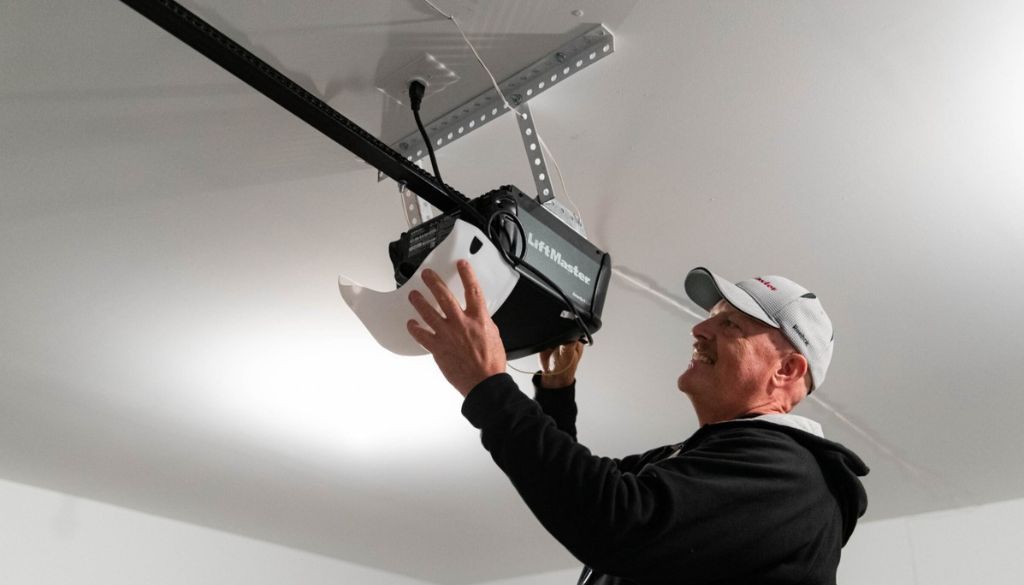
If several remotes become unpredictable at once, electric interference might be entailed. LED light bulbs in or near the opener have been recognized to disrupt some superhigh frequency. It does not take place in every configuration, yet it is common enough to be worth keeping in mind. Switching to light bulbs identified as garage-door-opener suitable can address an issue that or else looks mysterious.
Battery back-up systems are worthy of a mention too. In areas with regular blackouts, a backup unit is more than a comfort. It permits secure gain access to when the power stops working and minimizes the lure to force the system. Like any kind of battery, though, it does not last for life. Examine the standing periodically and replace it according to the maker's routine. A dead back-up is normally discovered just when a person needs it.
Seasonal modifications affect efficiency more than people expect
Garage door openers are exposed to problems that transform with the year, and those changes influence procedure. In wintertime, steel contracts, oil stiffens, and doors can ice up lightly to the floor seal. The opener might sound stretched on the initial cycle of a chilly early morning also if it ran fine the day in the past. In summer, broadening products, warmth in the garage, and air-borne dirt create a different set of stresses.
I have seen openers that functioned accurately for several years up until a specifically cold wave revealed a borderline spring issue. The door was practically useful in mild climate, but once the temperature level dropped, the opener no longer had sufficient margin to take care of the added rigidity. That is a helpful lesson. Weather does not constantly produce the issue, it frequently exposes the problem that was currently there.
Seasonal upkeep should include a look at the lower seal, sensor sanitation, lubricating substance condition, and the feel of the door during hand-operated lifting. If the door begins sticking to the floor throughout freezing climate, stand up to need to keep striking the remote. That is just how gears strip and trolleys break.
New sound is details, not background
People obtain utilized to garage doors making some sound, specifically older chain-drive devices. Yet new noise ought to always be treated as information. A rattling chain may require change. A squealing roller might need lubrication or substitute. A bang from the springtime area can suggest a broken springtime, which typically leaves the opener attempting and stopping working to raise the door.
One functional routine I suggest is to stand inside the garage for a full cycle every few weeks and merely watch and listen. You discover a whole lot when you are not driving in or backing out. Does the top section shudder near the header? Does one side lead a little? Do the rollers remain centered in the track? Does the opener beginning efficiently or stumble right into motion? Those observations can assist you define the problem accurately if you do need professional service.
That is especially beneficial for domestic garage door repair because the problem might disappoint itself once a professional gets here if the signs and symptoms are recurring. A brief phone video clip of the door moving can conserve time and prevent guesswork.
Installation top quality establishes the ceiling for long-lasting reliability
Maintenance can just do so a lot if the original setup was bad. An opener placed out of level, undersized for the door, or paired with a door that was never appropriately balanced will certainly always have a much shorter and more frustrating life. I have seen brand-new units fail early not since the products misbehaved, however because the garage door installment cut corners.
Proper installation starts with matching the opener kind to the door weight, height, and use pattern. Belt-drive systems are often chosen in attached homes since they run silently. Chain-drive versions are sturdy and cost-effective, but they can be noisier. Wall-mount jackshaft devices save ceiling room and work well in particular configurations, though they need the right door and shaft arrangement. The very best option is not universal. It depends on the door, the structure, and exactly how the space is used.
Commercial applications need even more care. A commercial driver serving a rolling steel door or sectional above door requires to be chosen and mounted based upon cycle need, obligation ranking, control needs, and safety needs. When business garage door repair comes to be constant on a reasonably new system, it commonly directs back to a driver or element package that did not fit the workload.
When substitute is smarter than duplicated repair
Most opener issues can be repaired, however not every fixing makes sense. Age, components availability, security functions, and the problem of the door all shape the decision. If an opener is fifteen to twenty years old, lacks present security or security functions, and is beginning to need repeating solution, replacement may be the far better investment.
That does not indicate every old opener is automatically a trouble. Some older units keep running for years with modest care. However when significant drive components, motherboard, or outdated devices end up being hard to resource, the math modifications. A newer garage door opener might use quieter procedure, rolling-code safety and security, smartphone control, battery back-up, and smoother travel, all while lowering the chance of repeat calls.
A professional evaluation must include the whole system, Click for source not just the motor. If the door itself is put on, the rollers are falling short, and the springtimes are near completion of their cycle life, a wider strategy may be a lot more cost-efficient than bit-by-bit repairs. Sometimes the very best route is opener replacement coupled with targeted door hardware updates. In other cases, a bigger refresh connected to garage door setup makes more sense.
A useful upkeep rhythm that works
If you desire a sensible schedule, not an idyllic one that no one adheres to, keep it basic adequate to come to be routine. For a normal home, this five-part routine covers most needs:
Once a month, watch a full open-and-close cycle and pay attention for adjustments in speed, resonance, or noise. Every 3 to four months, clean the photo-eye sensors and examine noticeable hardware and rollers. Twice a year, oil appropriate moving get rid of a garage-door-specific product. At least twice a year, test the equilibrium manually by disengaging the opener, and quit if the door really feels heavy or unstable. Once a year, timetable professional service if the door is greatly utilized, older, or showing any signs of strain.That last point is where several house owners save cash in the future. A trained service technician can identify spring tiredness, wire wear, travel-limit drift, and opener stress and anxiety before those conditions become emergency failures. For busy families, older homes, or removed structures that have a tendency to be overlooked, an annual check is commonly worth every dollar.
The line between upkeep and repair
It assists to be clear regarding what belongs in each group. Maintenance indicates cleaning, light lubrication, battery replacement, visual evaluation, and basic security examinations. Repair service begins when something is damaged, out of equilibrium, electrically undependable, or connected to the spring and cord system. That is the factor where experience issues, not because property owners are incapable, but due to the fact that overhead doors integrate weight, stress, and power in manner ins which can go wrong quickly.
Call for garage door repair if the door really feels hefty, the springtime appears busted, cables are frayed or off the drum, the opener hums without moving the door, the track is curved, or the security system will certainly not function after fundamental cleaning and placement. For springtime concerns, do not wait. Garage door spring replacement is among one of the most typical and crucial fixings in the profession because a failed spring influences both security and opener life immediately.
Reliable everyday usage does not come from luck. It originates from little checks done constantly, from listening when the system changes its habits, and from valuing the fact that a garage door opener is only as healthy as the door it moves. When those behaviors remain in place, the opener does what it is expected to do, silently, naturally, and without coming to be one of the most aggravating part of your day.