A garage door opener seldom gets focus till it starts seeming wrong. A healthy unit has a familiar rhythm, a consistent hum, a quick mechanical clatter as the door starts to relocate, then quiet once again. When that audio changes to grinding, screeching, rattling, or a sharp banging sound, something in the system has drifted out of alignment or begun to wear. Sometimes the trouble is small and easy to deal with. Various other times the sound is the first indication that the opener, the garage door motor, or the moving equipment is under strain and needs timely attention.
Noise issues due to the fact that it often shows up prior to a complete failing. That is particularly true in places where doors have to do greater than open and close on demand. In cyclone-prone parts of Queensland, garage doors are not simply an ease, they belong to the building envelope. A loud opener might not seem immediate on a tranquil day, yet if the door struggles, trembles, or binds, it can point to a weak point that comes to be more serious throughout severe weather. A garage door that does not run efficiently is more difficult to secure, more challenging to trust, and more probable to suffer damages when the weather condition turns rough.
Start with the audio, not the guess
Different sounds generally point to various problems. A grinding sound commonly recommends worn equipments, a completely dry drive device, or a damaged element inside the opener. A squeal may come from rollers, joints, or a belt or chain that needs focus. A loud bang or bang-then-stop pattern can show a door that has actually stumbled, a spring issue, or a drive system that is combating resistance it need to not be residential garage door repairs near me combating. A rattling opener may be loose on its installing, specifically if the noise is strongest at startup or shutdown.
The trick is not to think the opener is the only wrongdoer. Oftentimes, the garage door itself develops the stress. A curved track, worn rollers, hardened seals, or a rigid joint can make the opener work more difficult than it should. That extra tons takes a trip straight into the motor and gearbox. If the opener is loud, the door system requires to be inspected as a whole, not as separated parts.
A quick means to tighten the concern is to pay attention carefully when the door actions by hand and when the motor runs. If the door is noisy also without the opener involved, the mistake is probably in the door equipment. If the door moves efficiently by hand yet the opener is loud, the issue may be in the drive system, the electric motor, or the placing. That distinction saves time and helps avoid changing the incorrect part.
What to examine before you reach for tools
Before opening the real estate or loosening up anything, unplug the device and look over the visible elements. This is the part most homeowners miss, although it usually reveals the problem within minutes. Dust, loosened bolts, aging rubber, and mild misalignment all make themselves recognized if you take a slow appearance along the door course and the opener assembly.
A useful examination garage door resource usually includes these checks:
- Confirm the door can relocate easily by hand and does not bind midway. Look for loosened screws, brackets, or opener mounts. Check the rails or tracks for dents, twists, or debris. Examine rollers, joints, and the drive chain or belt for wear. Listen for indications of strain from the electric motor casing or gearbox area.
If the garage door is heavy to raise by hand, that is an indication. An opener is developed to aid a well balanced door, not compensate for one that runs out equilibrium. Forcing the motor to do that work is a typical reason for premature wear and unusual noise.
It is additionally worth inspecting the condition of the seals and the door framework. In coastal and storm-exposed areas, voids around the door can let in wind-driven particles and wetness, which subsequently accelerate endure relocating components. Preventive upkeep for garage doors is not just regarding quiet operation, it is also regarding keeping the whole opening secured and stable.
The opener itself might need attention
Once you have eliminated noticeable door hardware issues, concentrate on the opener. A lot of modern units rely upon a chain, belt, screw drive, or similar mechanism to relocate the door. Each kind has its own sound account, yet all of them can come to be louder when tension adjustments, fasteners loosen, or interior components use down.
A chain drive often develops smashing if the chain sags or the placing loosens. A belt drive can squeak garage door repair services or tweet if the belt is put on or the pulley-block system is not running evenly. A screw drive can create a severe mechanical noise if the screw or carriage is completely dry or the system has actually gathered gunk. Inside the motor housing, worn equipments can make a crunching or grinding sound, especially under load.
This is where judgment issues. A little functional noise is typical. An unexpected adjustment is not. If the opener has ended up being noticeably louder over a short time, or if the sound is paired with doubt, drinking, or repeated quiting, the issue may be more than a basic lubrication issue. That is the factor where several home owners decide to quit dabbling and prepare professional aid, particularly if the door is needed daily or the weather is transforming unstable.
When the noise is not simply noise
Some appears ought to be treated as indication rather than annoyances. If the opener hums yet the door hardly relocates, the electric motor might be stressing against a binding door or stopping working inside. If the door jerks, vibrates, or reverses unexpectedly, the system might be misaligned or the force settings may not be ideal. If a sharp breeze accompanies the sound, a springtime or cable television problem is possible, which is not something to treat casually.
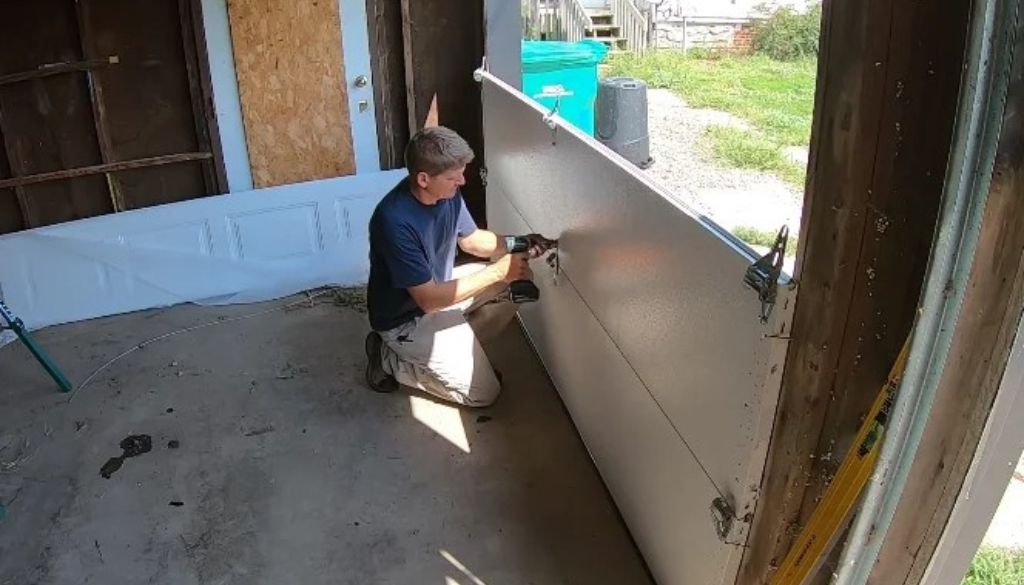
Garage door springtimes and wires are under significant stress. They are not the location for guesswork. If the noise appears ahead from those components, or if the door has actually come to be unbalanced, abnormally heavy, or tough to raise, the safer relocation is to stop using it and require emergency fixings. A stuck or stopping working door can create a safety problem in addition to a mechanical one, especially if the garage is a main accessibility point to the home.
For homeowners in cyclone-prone areas, that care becomes much more essential. Queensland support treats garage doors as a recognized powerlessness in severe tornados, which makes a noisy, compromised system greater than a convenience concern. If the opener is already having a hard time, it may not offer the reliable closure required when extreme weather is approaching. A door that will not close correctly, or one that has noticeable damages, deserves instant attention.
Repairing the common reasons for unusual noise
The right repair work depends upon the source of the audio. If the problem hangs mounting hardware, retightening the opener's brackets can restore a steadier run. If the chain is as well loosened or as well tight, the drive system may require modification. If rollers or hinges are completely dry or used, they might require cleaning, lubrication, or replacement. If the rail is dirty or blocked, removing the course can make a surprising difference.
For several families, the most basic repairs are additionally one of the most useful. Getting rid of particles from the track, tightening up a few fasteners, and bring back basic lubrication can reduce noise immediately. That type of upkeep might seem small, yet it avoids the tiny troubles that cause bigger pressure. It additionally aids the opener move the door with less resistance, which expands the life of the motor and drive components.
Still, there is a line in between useful maintenance and risky treatment. If you open the electric motor housing and find stripped gears, damaged electrical wiring, or indicators of burning, that is a different group of repair work. At that point, the noise is no longer a regular maintenance problem, it is an indication that the opener might require component replacement or complete device replacement. A damaged electric motor can maintain making sounds for a while, yet it typically does so by getting less reliable, not more.
A sensible order of operations
An excellent fixing process begins with the outdoors and works internal. That maintains the job grounded and avoids unnecessary disassembly. It also helps you distinguish between a door issue and an opener trouble, which is just one of one of the most helpful pieces of judgment in garage door work.
Disconnect power and inspect the door by hand for smooth movement. Check tracks, rollers, joints, and visible fasteners for looseness or wear. Examine the opener's mounting, drive system, and any signs of vibration. Address straightforward upkeep concerns first, such as debris, loosened hardware, or lack of lubrication. If noise lingers, or if the motor appears stretched, set up expert examination prior to the system fails.That sequence is not about being cautious for its very own sake. It shows exactly how these systems generally stop working. Most noisy openers are not suddenly damaged. They are telling you the door is no longer moving with the ease it as soon as had.
Why storm readiness transforms the means you ought to consider repairs
On the Gold Shore and across Queensland, garage door solution is not almost convenience or noise decrease. It is linked to storm preparation and strength. Official preparedness support consistently emphasizes safeguarding homes before serious climate, and garage doors become part of that picture. A door that rattles, bends, or has a hard time under typical use is worthy of interest long prior to a cyclone caution is issued.
Queensland products likewise note that garage doors should follow the appropriate wind-pressure rating or be supported by a suitable supporting system when a cyclone is coming close to. That detail matters due to the fact that a garage door failing can influence greater than the opening itself. It can harm bordering walls, ceilings, and roofing system cladding, transforming a single failure right into a far more expensive fixing. A noisy opener can be an early idea that the door system is not in the very best problem to do its work under stress.
That is why precautionary upkeep for garage doors has a various tone in storm-prone regions. You are not just trying to silence a maker. You are examining that the closure is stable, effectively secured, and all set for serious weather. Replacing a non-compliant or shabby door can improve strength, and also when substitute is not needed, normal examination of gaps, seals, and door framework stays worthwhile.
Security, gain access to, and the cost of delay
A garage door that makes unusual sound frequently gets tolerated longer than it must since it still works a lot of the time. That is a hazardous behavior. An opener that seems unhealthy might fail at the worst feasible minute, when you require the garage safe, the weather is transforming, or your house is empty. Security-related layout advice in Queensland has long recognized the significance of strong, tamper-resistant door systems in safe applications. While a domestic garage is not a high-security center, the principle is the same: a durable door and opener are more challenging to defeat and less likely to leave you exposed.
The price of waiting can be little at first and much bigger later. A brace that just needs tightening up today can become a distorted track tomorrow. A noisy gear can come to be a taken electric motor. A door that is slightly out of equilibrium can overstress the opener until the entire device requires replacing. Fixing a garage door opener that makes unusual noise is normally less costly prior to the signs spread right into the rest of the system.
When replacement makes even more sense than repair
Not every noisy opener should have a repair effort. If the system is old, the drive parts are put on, and the electric motor is louder each month, a substitute might be the useful alternative. The same holds true when the door itself belongs to the issue, specifically if it no more satisfies present storm-resilience expectations or has visible signs of structural weak point. In those situations, changing simply one part might only purchase a short reprieve.
The decision commonly boils down to the balance between price, dependability, and risk. If the opener is making noise due to a loose bracket or completely dry hardware, repair service makes good sense. If the sound originates from internal wear in the motor or transmission, or if the door has duplicated alignment troubles, the economics shift. A replacement can bring back quieter procedure, far better dependability, and in some situations, improved readiness for serious weather.
That compromise is especially important for home owners that depend on the garage as a primary entrance factor. A system that works only when handled gently is not a great system. It should open up, close, and seal without drama.
Keeping it quieter after the repair
Once the noisy part has actually been dealt with, the job is not fairly completed. The best method to maintain a garage door opener quiet is to decrease pressure prior to it constructs. That indicates regular checking, timely lubrication where ideal, and taking note of modifications in the audio of the system. If the opener gets louder over a couple of weeks, do not wait for a failure to verify your suspicion.
A practical upkeep routine is to examine the door seasonally, specifically before the storm season starts. Consider the seals, track problem, installing factors, and the way the door acts at start-up and closure. If anything looks misaligned or really feels larger than common, repair it early. This is the practical side of just how to fix a garage door, because the very best repair is typically the one that prevents a breakdown as opposed to reacts to it.
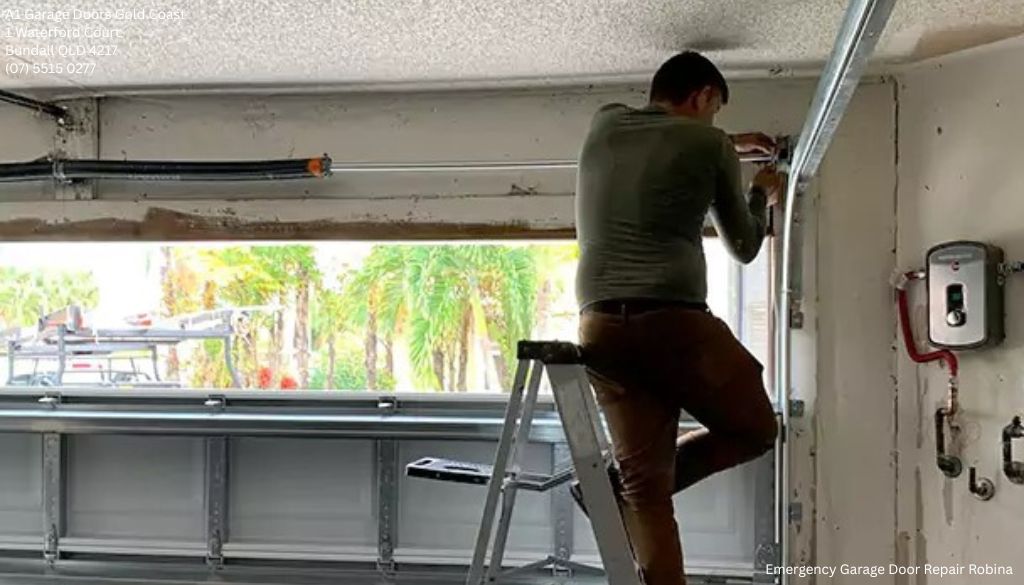
Quiet operation is not just pleasurable. It is evidence that the door, the opener, and the garage electric motor are sharing the load appropriately. When the system runs efficiently, the electric motor does much less work, the equipment lasts longer, and the entire entry factor is extra dependable.
A garage door opener that has started to sound unusual is requesting for attention. Sometimes the response is a small change or a little bit of maintenance. Sometimes it indicates much deeper wear, or to a door that no longer should have to be trusted with one more tornado season without review. Either way, the noise serves details. The technique is paying attention early sufficient to act on it.