Older homes have a means of mentor persistence. Absolutely nothing is flawlessly square, very couple of components match present sizing requirements, and every repair work reveals a choice that is component architectural, component cosmetic, and part useful concession. Garage doors are a best example. In a newer home, a professional can typically detect an issue, swap standardized parts, and be performed in a couple of hours. In an older home, the same telephone call may involve drooping framework, outdated track geometry, breakable trim, nonstandard clearance, or a garage floor that resolved enough to toss the entire door out of alignment.
That is why property garage door repair in older homes should never start with the door alone. The door is just one relocating component in a little system that includes framework, springs, tracks, rollers, weather condition seals, equipment, and frequently a garage door opener that was mounted long after the framework itself. If one component has moved gradually, the rest normally compensate till they cannot.
I have seen century homes with carriage-style doors held on retrofitted track systems from the 1980s, ranch garages from the 1950s with small headers, and separated garages with piece motion so severe that the owner thought the door was falling short when the real issue was the opening itself. The most effective repair technique is hardly ever the fastest one. It is the one that appreciates the age of the building, addresses safety first, and avoids developing a fresh issue while resolving the old one.
Why older garages behave differently
A garage opening in an older house was frequently built around a different set of assumptions. Autos were smaller sized. Insulation standards were lower. Automatic openers were not constantly component of the initial strategy. Some garages were converted from carriage homes or outhouses, after that adapted over the decades with piecemeal hardware.
That history matters. The tracks may be placed to mounting that has dried, split, or turned. The slab might incline in greater than one instructions. The side space required for correct track and spring setup might be tighter than current installation requirements prefer. Also the jamb product can make complex repair. Old-growth lumber has a tendency to hold screws remarkably well, but if there has been moisture direct exposure around the opening, you may additionally locate soft places concealed under layers of paint and trim.
When people search for garage door repair, they typically anticipate the issue to be regional and mechanical, something like a damaged springtime or a loud roller. In older homes, those concerns prevail, but they are frequently signs. A spring might break early due to the fact that the door weight raised after waterlogged wood soaked up moisture. Rollers might shred due to the fact that the tracks are a little pinched by movement in the framing. The garage door opener may stress since the door has actually come to be unbalanced, not due to the fact that the electric motor itself is bad.
The initial assessment should focus on the opening, not just the hardware
Before purchasing components or reviewing a garage door setup, it aids to check the whole opening with a vital eye. This is where older homes different routine solution from educated repair.
Start with the expose around the closed door. Uneven spaces on top corners usually narrate. If one side is tighter than the various other, the tracks may be out of plumb, the jamb may have moved, or the door areas may be racked. Daytime near the bottom seal can indicate floor negotiation, but it can likewise show a door that no more journeys evenly. A bowing top area might indicate an absent or undersized strut, especially on older wood or uninsulated steel doors.
Then check out the framework. Hairline splits around bolts, crushed timber fiber behind brace mounts, and covered screw openings all suggest repetitive adjustment for many years. That typically indicates the system has been chasing alignment troubles for a long time. If the mounting factors are endangered, even an appropriate track change may not hold.
The flooring matters greater than the majority of property owners understand. A garage door does not need a completely level piece to work well, but it does require foreseeable geometry. In older removed garages, I frequently see front slab edges that have dropped or escaped. The proprietor replaces bottom seals over and over, yet the problem is not the rubber. It is the floor profile. A custom retainer, a threshold, or careful concrete repair work might fix greater than an additional round of door adjustments.
Springs are usually the genuine pivot point
A large share of solution employ older homes end at the springtimes. In some cases it is evident, such as a snapped torsion springtime. Sometimes the door still moves, yet it really feels hefty, jerky, or loud, and the opener has actually started turning around or stalling.
Garage door springtime replacement is one of those work where experience matters due to the fact that the spring itself is only part of the equation. Older doors, especially timber doors or doors with added layers of insulation, may not match the original spring sizing any longer. Replacing a damaged spring with a visually comparable component is inadequate. The spring has to be chosen for the current door weight, height, drum dimension, and track setup. If not, the door might continue to be technically functional but still be dangerous or hard on the opener.
This turns up often after proprietors boost an old garage piecemeal. They include insulation panels, enhance an area, repaint the door several times over the years, or change one harmed panel with a heavier material. Small modifications accumulate. By the time a spring breaks, the actual door weight may be extremely different from what the original installer balanced.
An appropriately well balanced door ought to hug mid-travel when detached from the opener, with only small drift. On older homes, I deal with that equilibrium test as necessary. If the door races down, soars, or hangs awkwardly at one-third open, the system is telling you not to trust the previous setup.
When the tracks are the trouble, not the door
Track concerns in older garages are seldom significant initially. The door may rub in one area, create a scuffing audio near the contour, or leave great metal dirt near the rollers. Homeowners commonly think the option is lubrication, yet lubrication can not remedy geometry.
I have seen tracks installed on piled washers to compensate for twisted jambs, straight angles secured to mounting that was never designed for that tons, and curved reduced track areas that were hammered back just sufficient to maintain things relocating. Those are momentary fixes at best. If the tracks are not parallel, degree where they need to be, and firmly mounted, every various other part pays the price.
Older homes likewise present headroom difficulties. A modern-day torsion arrangement may fit, however just with careful preparing around ceiling joists, reduced light beams, or old storage space platforms. In many cases, a low-headroom conversion is the best solution. In others, the better strategy is to maintain the existing track style while replacing the worn parts with properly matched hardware. Excellent garage door repair is not regarding requiring a typical kit right into a nonstandard space. It has to do with choosing a configuration that collaborates with the actual building.
Wood doors are entitled to a different repair mindset
A lot of older homes still have timber garage doors, and a few of them are worth protecting. They might match historical trim information, bring better percentages than lots of supply replacements, or simply fit your house in such a way a typical embossed steel door never ever will.
Wood transforms the repair work technique. It takes in dampness, swells seasonally, and can turn enough to influence roller traveling. Fastener retention varies from one area to another, particularly if previous fixings loaded old openings with putty or extra-large screws. A wood stile that looks strong from the face might be weak at the hinge accessory point.
This is where trade-offs become real. If the timber door is structurally audio and the issues are separated to equipment, climate seal, and equilibrium, repair work usually makes sense. If the bottom rail is rotted, section joints are opening up, and the door has gained sufficient weight to overwork the springs and opener, conservation can come to be costly promptly. Occasionally selective restoring is justified. In some cases replacement is the liable choice.
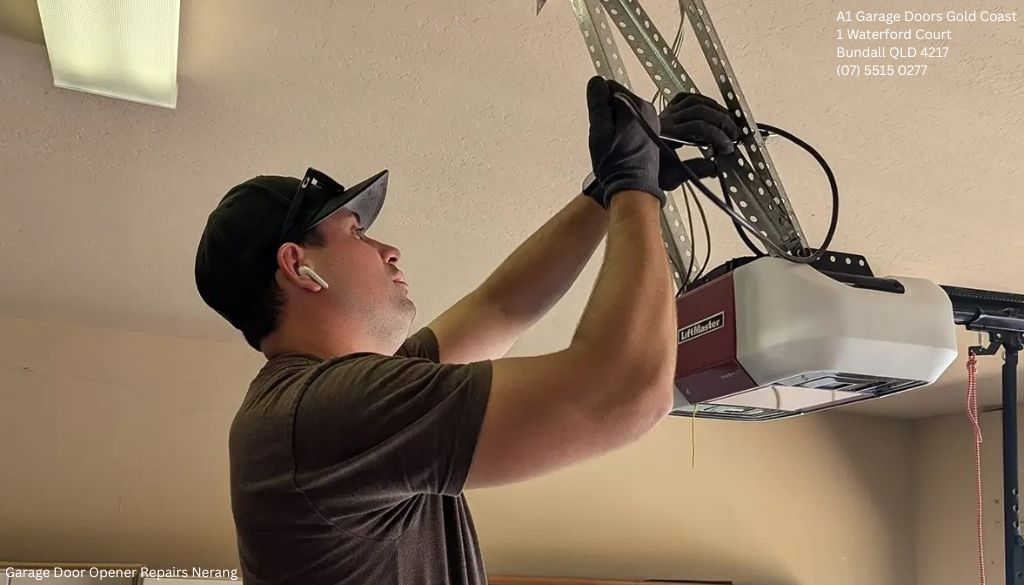
For homeowners trying to make a decision, I normally mount it in this manner: if the door can be made safe, balanced, and weather-resistant without developing into a custom-made millwork job, maintain it. If every repair work depends on reinforcing falling short wood just to sustain brand-new hardware, a brand-new door will likely carry out much better and set you back less over the following decade.
Old openers often fall short for factors that are not electrical
A tired garage door opener obtains blamed for a lot of mechanical concerns. The owner states the opener hums, has a hard time, turns around unpredictably, or appears louder than it used to. In some cases the opener is truly broken. In older homes, however, many opener issues begin with door resistance.
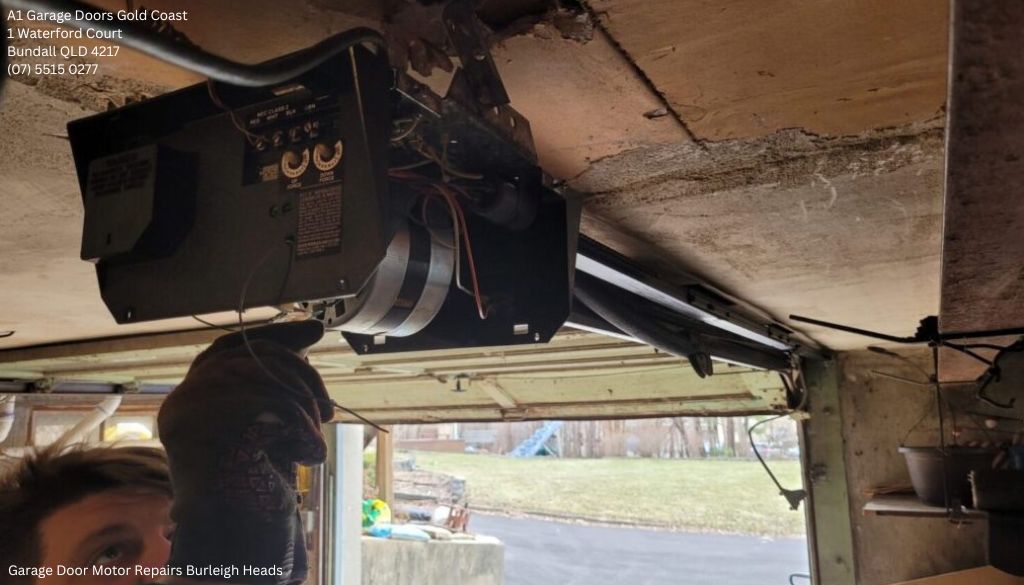
Openers are created to lead a correctly balanced door, not drag an unwilling one via repair garage door services poor tracks and weak springs. If the door has actually come to be hefty or misaligned, the opener compensates till it can not. Drive equipments use early. Chains loosen. Rail attachments draw on mounting that might already be endangered. Safety settings obtain changed beyond where they must be, which is where a comfort problem starts bordering right into a safety and security problem.
That is why I like to assess the opener after the door itself is remedied. As soon as the springtimes are right, the rollers move easily, and the tracks are established correctly, you obtain a straightforward analysis of the opener's condition. Occasionally the opener still has actually years left. Other times, particularly with very old screw-drive or chain-drive systems, the smarter move is replacement.
A brand-new garage door opener can additionally fix functional nuisances in older homes. Quieter procedure matters when the garage rests listed below bedrooms or next to a finished area. Battery back-up issues in communities with regular blackouts. Better security sensors aid in garages where the flooring or framework makes excellent placement hard. That claimed, a costs opener can not rescue a badly balanced door. It simply experiences more politely.
When partial repair work makes good sense, and when full replacement is smarter
Not every aging door requires total substitute. Some require self-displined, targeted job. The difficulty is knowing when the system has gone across the line from maintainable to inefficient.
These are the conditions that usually press the choice toward a full garage door setup rather than recurring patchwork:
The door sections are structurally endangered, not just cosmetically worn. The framing around the opening requires sufficient correction that all new equipment ought to be fitted at once. The springtime and track setup is outdated, mismatched, or harmful by present standards. Energy loss, water invasion, and noise are chronic sufficient that brand-new seals alone will not help. Previous repairs have actually created a mix of inappropriate components that are hard to solution reliably.On the other hand, an audio door with worn rollers, maturing hinges, torn cords, tired perimeter seal, and an undersized strut is usually an excellent repair service prospect. A thoughtful solution call can recover years of dependable use without requiring replacement.
This is where the distinction between residential garage door repair and business garage door repair need to be clear, even though the phrases in some cases overlap in on the internet searches. Business garage door repair usually takes care of high-cycle operation, larger hardware, and extra standardized solution concerns fixated uptime. Residential operate in older homes is extra architectural and condition-based. The rate is different, the tolerances can be more difficult, and aesthetic appeals usually matter as high as mechanics.
The equipment information that make an outsized difference
Small components determine whether an old garage door feels smooth or troublesome. Rollers are a fine example. Used steel rollers can rattle with aging tracks and telegraph noise with old framing. Upgrading to top quality nylon rollers with appropriate bearings often makes an older system feel considerably better, especially in attached garages. It is not showy, however it is just one of one of the most recognizable renovations per buck when the rest of the system remains in serviceable condition.
Hinges matter as well. Sloppy joint knuckles or extended installing holes allow sections move under lots. That motion looks minor till you see the roller stems going into the track at a small angle. Replace enough used hinges on an older sectional door and you typically eliminate the unusual intermittent sounds the house owner can never ever reproduce on demand.
Bottom seal retainers and side weather condition stripping be worthy of even more attention than they obtain. In older openings, the best seal is commonly not the one that came in package with the brand-new door. It is the one fitted to the actual irregularities of the opening. I have actually cut and shimmed weather condition seal on old garages where the jambs were out enough that a criterion mount would certainly have left noticeable voids. Great sealing in an older home is typically custom-made in small means, even if the hardware is standard.
Safety should direct every decision
The most harmful error in older garage work is stabilizing a door that has constantly been a little difficult. Homeowners obtain utilized to raising with added effort, stepping around a door that drops as well fast, or neglecting a lower brace that looks rustic since it has actually looked by doing this for several years. Knowledge is not the same as safety.
Springs and cords operate under major tension. Bottom braces, lift drums, and springtime support factors should never ever be dealt with delicately. In older homes, concealed deterioration in the mounting framework adds one more layer of threat. A brace anchored right into damaged jamb material can fail also if the equipment itself looks fine.
There is also the issue of turnaround and noticing. If the opener does not accurately reverse under resistance, or if the picture eyes are misaligned and periodically bypassed by behavior, the system needs to be dealt with immediately. Older garages are frequently where I see makeshift workarounds, such as sensors installed at strange angles to clear obstacles or opener force setups showed up to bulldoze with resistance. Those are advising indications, not solutions.
A useful upkeep regimen for older homes
Preventive treatment matters a lot more in an older garage due to the fact that the system is normally dealing with tighter margins. A couple of simple practices catch troubles before they come to be expensive.
- Watch and listen to the door via one complete cycle every month. Keep tracks clear, however do not grease the track surface area itself. Test door balance occasionally by separating the opener when it is risk-free to do so. Inspect the lower seal and perimeter weather condition stripping at the start of wet and chilly seasons. Schedule expert solution when activity, sound, or effort adjustments noticeably.
That brief regimen does not replace professional inspection, yet it stops one of the most typical kind of neglect, which is waiting till the door is entirely inoperable. In older homes, postponed solution often tends to multiply the final costs. A used roller ends up being a bent hinge, then a damaged track, after that an opener problem, and by then the owner believes the entire system failed at once.
Repair strategies that value the house
The ideal work on older residential or commercial properties never looks like a battle between brand-new hardware and old building. It looks considered. Fasteners are placed where the framework will certainly support them. Trim is eliminated and re-installed cleanly when required rather than being squashed right into place. Openers are placed with reinforcement that matches the structure, not whatever band occurred to be on the vehicle. Replacement parts are selected for compatibility, not convenience.
Sometimes the right strategy is conventional. Protect the existing door, reconstruct the weak points, rebalance the springtimes, boost securing, and leave the personality undamaged. Sometimes the right method is to quit investing money on a stopping working assembly and mount a contemporary shielded door with appropriately crafted hardware. Both techniques can be expert and reasonable if they are based on the building's condition as opposed to habit.
Older homes award judgment. They penalize rushed presumptions. A garage door that sticks, bangs, or strains in an old opening is normally giving valuable details, not just making sounds. Check out the opening, not simply the sign, and the repair course becomes much clearer.