A garage door is among the largest moving systems in any kind of building, yet it is commonly dealt with like a cosmetic upgrade. That is normally where trouble begins. A well-installed door needs to open up smoothly, seal firmly, remain quiet, and hold its placement through thousands of cycles. An inadequately mounted one may still look penalty on day one, however the symptoms appear quickly: unequal wear on rollers, noisy traveling, early springtime fatigue, opener strain, and callbacks for what gets identified as garage door repair even though the source was installation.
Long-term efficiency does not come from one premium component. It comes from the relationship between the door areas, track geometry, spring sizing, opener choice, hardware quality, climate condition, and the ability of the installer. In the field, I have seen fundamental steel doors last far longer than expensive customized versions just due to the fact that they were established plumb, balanced correctly, and coupled with the best equipment. I have actually additionally seen attractive brand-new doors end up being persistent service problems within a year since somebody hurried the setup.
If you are planning a brand-new garage door installment, or changing an aging system, it aids to recognize what matters most before the very first bracket goes on the jamb.
The setup phase chooses the life of the system
Most homeowners discover style initially. They compare panel designs, home window layouts, insulation ratings, and color. Those selections matter, however the Click here! mechanics matter much more. A garage door can consider anywhere from about 90 pounds for a light solitary non-insulated door to 300 pounds or more for a double insulated steel door, and far more for carriage-style wood or full-view business settings up. Every extra pound needs to be managed by a spring system, led by tracks, and controlled by an opener or hand-operated lift.
When setup is specific, the door moves as a balanced system. Rollers stay focused in the track. Joints articulate without binding. Base seals call the floor evenly. The opener acts like a guide as opposed to a towing machine. That is what maintains the components.
When installment is sloppy, each cycle substances the problem. A somewhat twisted vertical track produces side load on the rollers. A header bracket that is off-center can influence trolley traveling. Springs that are close enough, but not absolutely matched to the door weight, might allow the opener hide the discrepancy for some time. The owner just notices when the door begins slamming shut, turning around suddenly, or making a breaking sound near the torsion shaft. Then, the conversation frequently changes to property garage door repair or garage door spring substitute, but those repair services could have been delayed by years with much better installment practices.
The opening itself needs to prepare prior to the door arrives
One of one of the most overlooked parts of garage door setup is the opening. Installers often obtain criticized for in shape issues that truly started with framework, flooring incline, or poor side room. Prior to selecting the door and hardware, somebody ought to confirm the opening size and elevation, headroom above the opening, side clearance on both jambs, and backroom right into the garage. This is a lot more crucial on older homes and in commercial areas where wall surfaces might have moved or floorings may not be level.
A concrete flooring that goes down half an inch from one side to the various other is common. It is workable, yet it alters just how the lower seal contacts the piece. Sometimes, a larger astragal solves it. In others, the appropriate response is to trim or readjust the bottom retainer, or set assumptions that the door can be weather-tight without showing up flawlessly level to the eye. Great installers chat through these details as opposed to making believe every opening is square.
Commercial job elevates the risks. With commercial garage door repair and replacement jobs, I have actually seen structural steel columns that were slightly out of line and masonry openings that varied leading to bottom. If the installer assumes standard measurements without monitoring, track positioning suffers quickly. A business door can still be made to run well, however just if dimensions are treated as component of the mechanical setup, not as a formality.
Choosing the appropriate door suggests assuming past visual appeal
Different door materials behave differently with time. Steel is prominent forever factor. It is resilient, extensively available, and can use solid insulation values when developed with polyurethane or polystyrene cores. Aluminum is lighter and helpful in some modern-day applications, particularly where deterioration resistance issues. Timber delivers an unique look however demands much more maintenance and includes weight, which affects springing and opener demands. Compound doors split the difference in some climates.
The best option depends on usage, climate, and traffic. A family members that uses the garage as the major entryway may run the door six to 10 cycles a day. Over a year, that can go beyond 2,000 cycles. In 5 years, that is over 10,000. If the door faces straight mid-day sunlight, dark surfaces might take in significant warmth. In cold areas, insulation and border securing matter a lot more, especially if the garage shares wall surfaces with living room. In coastal atmospheres, rust-resistant hardware and appropriate coatings deserve paying for.
This is where experience matters. A light-weight pan door may be great for a removed storage space garage that opens up a couple of times a week. The same door would certainly be a poor choice for a warmed attached garage used everyday. Also, a large wood-look protected door may look ideal on paper however become a worry if the spring system and opener are not selected for that actual load.
Spring sizing is not an information, it is the heart of the system
Many service calls that end in Garage door spring replacement trace back to spring mismatch from day one. Springs are not compatible in the casual feeling. They are chosen based upon the height, weight, track span, drum type, and desired cycle life of the door. A spring system that is just useful can still be wrong.
A properly well balanced door should hug midsection elevation when lifted by hand and should not fire up or drift down aggressively. That equilibrium safeguards the opener and makes the door much safer to operate throughout power outages. If the installer utilizes springs that are undersized, the opener functions harder each cycle. If the springs are oversized or wound incorrectly, the door may come to be unstable at specific points of travel.
Torsion systems are usually preferred for most contemporary installments due to the fact that they supply smoother control and more predictable balancing than older expansion springtime setups. That does not mean every torsion configuration is equal. Cycle life issues. Standard springs are typically rated around 10,000 cycles, though choices exist for 20,000, 30,000, or more. For an active family or an industrial site, upgrading spring cycle life is usually a far better investment than investing extra on attractive glass or trim.
I remember a two-car home where both vehicle drivers parked within and one member of the family made use of the garage for a home health club. The door cycled even more than average. The builder-grade springs lasted simply under four years. We replaced them with higher-cycle torsion springs, fixed the initial balance issue, and the driver quickly appeared less stretched. That is the type of improvement people can hear.
Track positioning and hardware high quality different quiet doors from trouble doors
Noise is not always regarding the opener. A door that rattles, shudders, or bangs commonly deals with track or equipment problems. Upright tracks should be plumb and set at the right distance from the jamb. Straight tracks need the best pitch to bring the door totally open without dragging or turning. Flag braces, end bearing plates, joints, and roller stems all require to interact without requiring the sections out of plane.
The most affordable hardware bundles have a tendency to reveal their weak point early. Slim hinges bend. Fundamental rollers put on quickly, specifically if they use lower-grade bushings. Bolts loosen up. Nylon rollers with covered bearings often run more silently than conventional steel rollers in household settings, though they still require to be matched to the door and track. On larger industrial doors, durability and tons handling generally take concern over noise reduction.
If a brand-new door is loud initially, something is wrong. New systems ought to appear regulated, not disorderly. A healthy configuration produces a mechanical hum and rolling call sound, not clanks, stands out, and scraping. Those noises usually mean something is binding, loose, or misaligned.
The garage door opener should match the door, not just the budget
Consumers usually look for the garage door opener by horse power alone, but that is only one item of the choice. Drive kind, control reasoning, rail strength, soft-start procedure, battery back-up, and safety and security functions all issue. More important, the opener needs to never ever be made use of to make up for an inadequately well balanced door. If the door really feels heavy by hand, setting up a stronger opener does not fix the actual issue.
Belt-drive drivers are a solid option for several attached garages due to the fact that they run silently. Chain-drive systems continue to be reputable and economical, especially where audio is much less of a concern. Jackshaft openers can be excellent when ceiling space is restricted or when a clean expenses design is wanted, however they require suitable side-room and an effectively set up torsion system.
There is additionally a difference in between occasional usage and continuous demand. A domestic opener on a light dual door might do well for several years in a typical household. Place the very same unit on a larger shielded door with regular cycling and it might come to be a solution product much sooner. In light industrial settings, the incorrect operator selection is an usual factor for duplicated commercial garage door repair calls.
Smart features are useful, yet they need to come after mechanical fundamentals. Remote surveillance, app controls, and cam integration are practical. None matter if the rail bends, the force setups are wrong, or the safety reversal is unreliable.
Weather sealing is worthy of more focus than it gets
Long-term performance is not just regarding training and decreasing. It is additionally about exactly how the door manages water, dirt, wind, temperature swings, and insects. Excellent securing beginnings with exact installment. If the door is not square in the opening, the side seals and leading seal can only conceal a lot. The bottom seal needs to fulfill the slab consistently throughout the full width.
Insulated doors can boost comfort, yet insulation alone does not develop an effective obstacle. Gaps at the border undo much of the benefit. In chillier climates, poor securing around the opening usually triggers home owners to presume the door itself is malfunctioning, when the genuine issue is fit and boundary treatment.
On industrial structures, seal efficiency becomes much more important. Stockrooms and service bays frequently deal with wind stress, forklift web traffic, dust, and duplicated opening cycles. The right base rubber, jamb seal, and track weather treatment can lower wear and enhance indoor problems. It is far cheaper to specify them at setup than to review the opening numerous months later after complaints start.
A few setup checkpoints that avoid expensive callbacks
The toughest installers have routines. They do the exact same vital checks whenever, also on regular tasks, since small misses create big headaches later.
Confirm the door balance manually prior to depending on the opener. Verify track plumb, degree shifts, and proper clearances at full travel. Test safety reversal and photo-eye reaction greater than once. Tighten and reconsider all bolts after the very first cycles, particularly on new framing. Inspect seal contact at the floor and perimeter with the door totally closed.None of these steps take very long. Missing them can produce weeks of frustration. I have actually seen a solitary loose set screw on a torsion component lead to a drifting cord concern that looked, at first glimpse, like a spring failure. The installer who decreases for final checks generally conserves the consumer cash and saves the business a return visit.
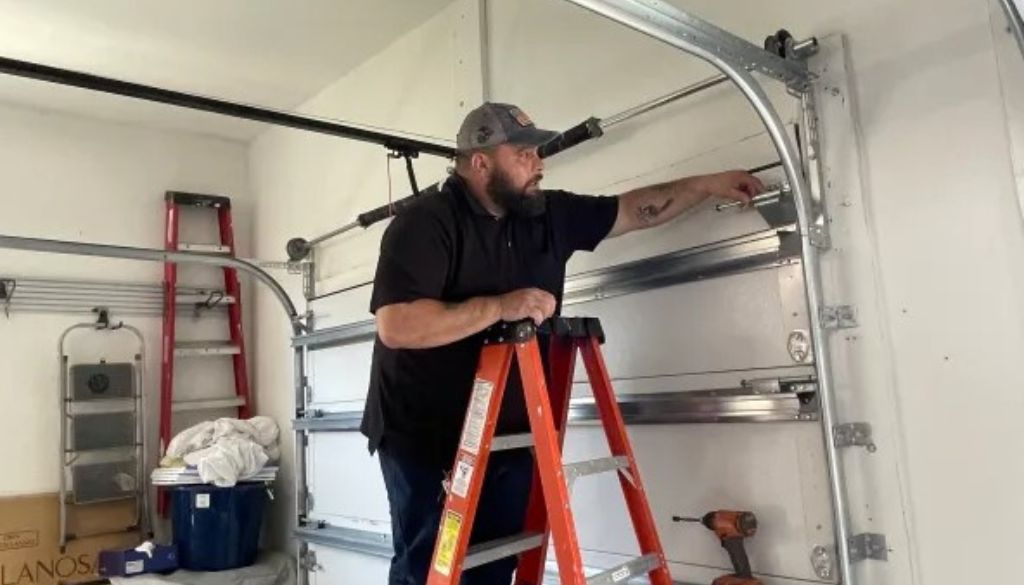
Residential and industrial work look comparable from the aesthetic, yet they are not the same work
People frequently utilize the same language for all garage doors, yet the demands can be extremely various. Residential garage door repair commonly involves convenience, convenience, safety and security, and moderate cycle matters. Business garage door repair usually includes safety conformity, car access, inventory protection, and much higher use patterns. The installment technique has to show that difference.
A property door can usually focus on appearance and silent operation. A commercial sectional door might require to prioritize impact resistance, use, visibility, or speed. Hardware gauge, spring cycle rankings, track support, and operator duty class all modification appropriately. Even the upkeep expectations differ. Property owners might call when something seems incorrect. Commercial supervisors typically require scheduled examination since downtime affects procedures immediately.
That is why item replacement can backfire. Utilizing lighter household reasoning in a commercial opening might reduce the ahead of time quote, however it generally raises the long-term cost. The exact same concept uses backwards. Overbuilding a basic separated household garage may not supply meaningful worth if the usage is low and the atmosphere is mild.
Early warning signs that point back to installation issues
Some failures are merely age-related. Others turn up due to the fact that the original setup was off. When I check a door within the first number of years after setup, a few signs and symptoms usually inform the story quickly.
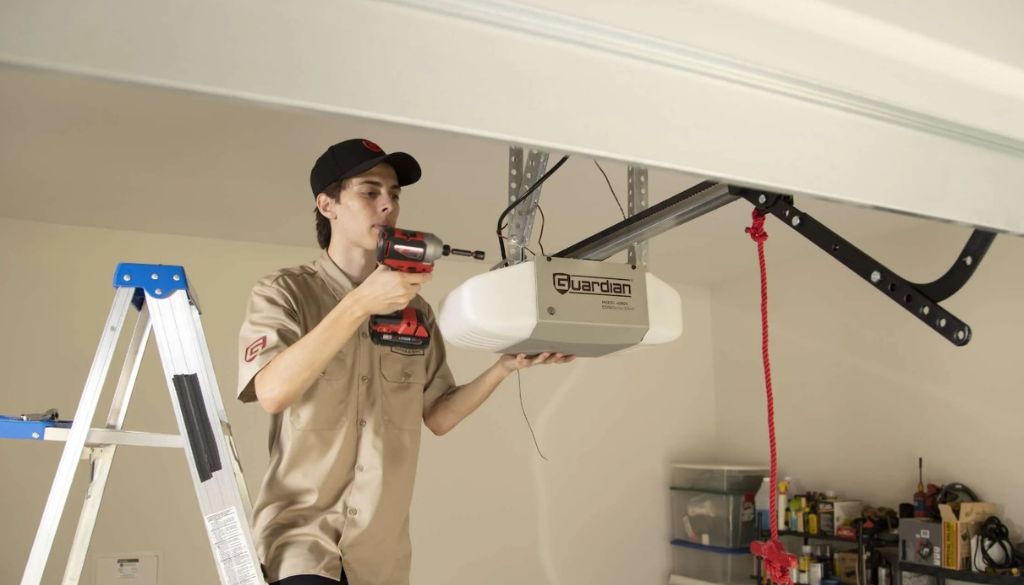
- The door turns around near the floor although the photo-eyes are tidy and aligned. One side of the lower seal presses far more than the other. Rollers reveal uneven wear patterns or ride hard versus one side of the track. The opener arm chatters or jerks during the very first few inches of travel. Cables shed also stress when the door is partially open.
Any among these can originate from component wear, yet on more recent systems they usually signal that the door was never ever flawlessly set. Good solution specialists know the distinction in between a repair work that addresses the symptom and a change that remedies the cause.
Maintenance begins the day the door is installed
A brand-new garage door is not maintenance-free, regardless of what the pamphlet states. It might be low-maintenance, but moving systems need periodic focus. The very best time to describe that is right after setup, when the proprietor can still see exactly how the system is meant to behave.
Homeowners should understand what regular noises are, how to evaluate the auto-reverse function, and when to call a specialist. Springs, cords, lower braces, and torsion elements must not be treated as diy things. Standard treatment, such as maintaining tracks devoid of debris, looking for loose hinge screws, and organizing annual service, goes a long way.
The solution period relies on use. A lightly utilized property door may only need expert inspection once a year or every various other year if it remains silent and balanced. A high-cycle home needs to lean toward annual gos to. Commercial doors usually require a much more structured upkeep schedule due to the fact that the wear accumulates faster and the repercussions of failing are greater.
Why the most affordable installment quote typically sets you back even more later
Price matters, yet garage door installment is just one of those professions where cheap labor often tends to reveal itself later on. Reduced proposals often hide compromises in equipment grade, springtime cycle ranking, weather securing, particles elimination, guarantee assistance, or the time allocated for correct setup. The door might go up and down on mount day, which produces the impression that all quotes were equivalent. They rarely are.
Ask what springs are being specified. Ask whether the quote includes strengthened struts if required, upgraded rollers, haul-away, seal replacement, and opener configuration. Ask how equilibrium is inspected and whether the team changes for floor variation. Specialists who recognize their craft can respond to those questions plainly.
The distinction between a typical mount and an excellent one might just add a modest amount to the preliminary billing. Spread that over 10 or fifteen years of use and it becomes one of the most effective values in the job. This is specifically real if it minimizes the need for very early garage door repair, secures the garage door opener from overload, and hold-ups Garage door spring replacement.
What long-lasting efficiency actually looks like
People usually assume success indicates a door that just does not break. The far better requirement is a door that stays predictable. It should raise equally, hold its equilibrium, remain moderately peaceful, withstand seasonal changes, and respond well to routine service. It must not need constant fine-tuning. Its opener must seem secure, not strained. Seals need to continue doing their job after weather changes. Equipment should show typical wear, not accelerated damage.
That level of performance is not accidental. It comes from exact measuring, thoughtful product selection, disciplined installation, and practical upkeep. When all of those pieces align, the proprietor hardly ever considers the garage door, which is usually the most effective result feasible. It just functions, year after year, the method a correctly set up system should.